
Healthcare, Informational
What Is Sleep Apnea
Feb

Full Guide
What is Sleep Apnea?
Sleep Apnea is a serious and potentially life-threatening sleep disorder that occurs when a person’s breathing is repeatedly interrupted during sleep. These interruptions, known as apneas, can last from a few seconds to minutes and may occur 30 times or more within an hour. When breathing pauses, the body’s oxygen levels drop, which triggers the brain to briefly wake the person up to resume breathing. This cycle can happen hundreds of times during the night, leading to fragmented and poor-quality sleep.
Sleep Apnea Symptoms:
- Snoring: Loud, chronic snoring is one of the most common indicators of sleep apnea, particularly obstructive sleep apnea (OSA). This occurs due to the partial obstruction of the airway, causing vibrations in the throat.
- Feeling Excessively Tired During The Day: Despite spending enough time in bed, individuals with sleep apnea often experience excessive daytime sleepiness. This is due to the frequent awakenings at night, which prevent restorative sleep.
- Choking or Gasping During Sleep: Many people with sleep apnea wake up abruptly, feeling as though they are choking or gasping for air. This is a response to the airway being blocked and the body’s attempt to resume breathing.
- Depression: Persistent feelings of sadness or hopelessness can be linked to the disrupted sleep caused by sleep apnea. The condition can significantly affect mood and overall mental health.
- Anxiety: Sleep apnea can contribute to increased anxiety, both because of the physical stress it places on the body and the psychological impact of poor sleep quality.
- High Blood Pressure: The frequent drops in blood oxygen levels and the effort required to reopen the airway can lead to increased blood pressure. Over time, this can lead to or worsen hypertension.
- Headaches (particularly in the morning): Morning headaches are a common symptom, often resulting from the altered oxygen and carbon dioxide levels in the blood due to disrupted breathing during sleep.
- Poor Memory and Concentration: The lack of quality sleep impairs cognitive functions, making it difficult to concentrate, remember things, or stay alert during the day.
- Lack Of Interest in Sex: Sleep apnea can lead to a reduced libido and sexual dysfunction, often related to the hormonal imbalances and fatigue associated with the disorder.

Sleep Apnea Affects Your Whole Body
Leaving Sleep Apnea without treatment may cause serious health problems such us:
- High Blood Pressure
- Heart Disease
- Stroke
- Weight Gain
- Higher Risk of Sexual Problems
- Type 2 Diabetes
What To Do
If you think that you or a loved one is experiencing any of the above symptoms, follow the steps below
Doctor
Reach out your physician to provide a comprehensive overview of your symptoms, including when they began, their frequency, and how they are affecting your daily life.
Sleep Study
Schedule a sleep study, either at a hospital or in the comfort of your home, to accurately diagnose your condition.
Treatment
Stay informed about all available sleep apnea therapy options to ensure you choose the most effective treatment for your needs.
CPAP
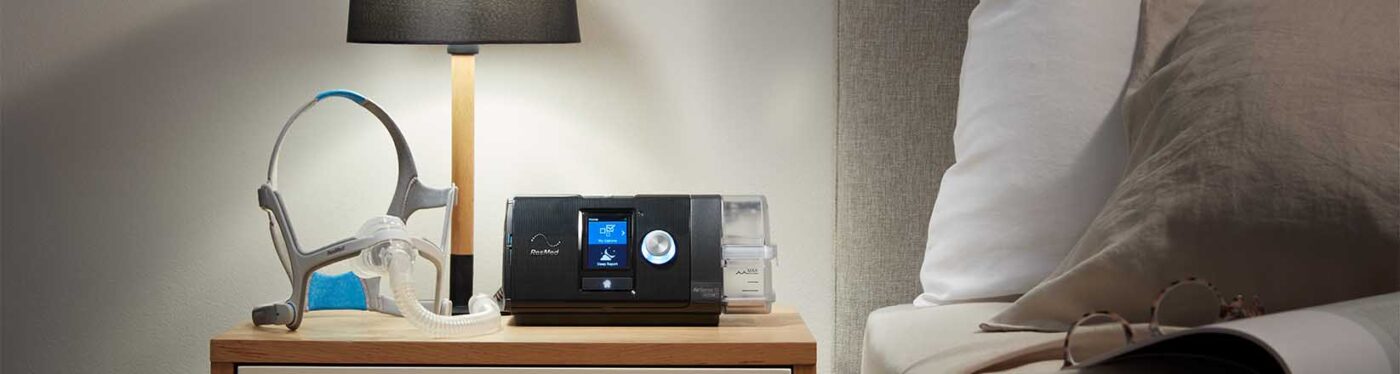
Begin your sleep apnea treatment by using a CPAP machine where it will keep open airways during sleep, reducing the frequency of breathing interruptions.
Using a CPAP Device for Sleep Apnea Treatment
One of the most common and effective treatments for sleep apnea is the use of a CPAP device. CPAP, which stands for Continuous Positive Airway Pressure, is a machine that delivers a steady stream of air pressure through a mask to keep your upper airways open while you sleep.
By using a CPAP device, you can significantly reduce the harmful effects of sleep apnea. This treatment can lower the risk of serious health issues such as stroke and heart attack, decrease daytime sleepiness, and greatly improve your overall sleep quality. Consistent use of a CPAP device can lead to better health outcomes and enhanced well-being, making it a vital tool in managing sleep apnea.
