Comparison
CPAP vs. Auto CPAP Machines: Understanding the Differences

Aug
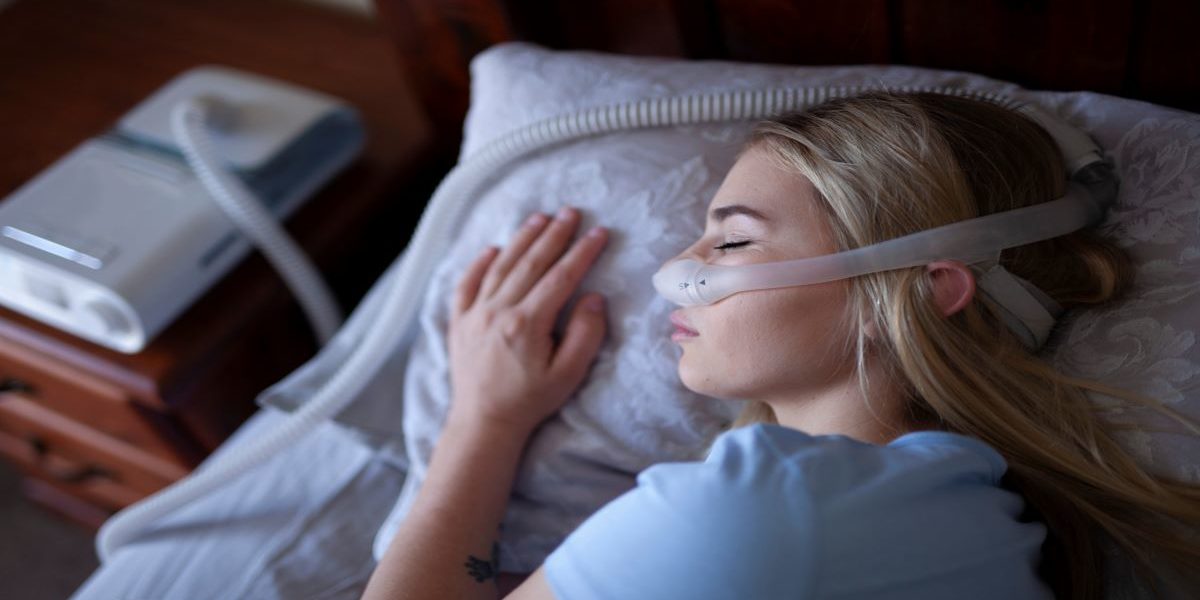
Continuous Positive Airway Pressure (CPAP) therapy is a common treatment for sleep apnea, a condition where a person’s airway becomes partially or completely blocked during sleep. CPAP machines deliver a steady stream of pressurized air through a mask to keep the airway open. However, there are different types of CPAP machines available, and choosing the right one can be crucial for effective treatment and comfort. The two main types are CPAP (Fixed Pressure CPAP) and Auto CPAP (APAP or Auto-Adjusting CPAP) machines. This article compares these two options to help you understand their differences and decide which might be the best fit for your needs.
1. How They Work
- CPAP Machine: A CPAP machine delivers a continuous, fixed level of air pressure throughout the night. This pressure level is set based on a sleep study or titration test that determines the optimal pressure needed to keep your airway open. Once set, the machine maintains that specific pressure, regardless of whether your breathing needs vary during different stages of sleep or different nights.
- Auto CPAP Machine (APAP): An Auto CPAP machine, on the other hand, automatically adjusts the air pressure throughout the night based on your needs. It uses advanced algorithms and sensors to detect changes in your breathing patterns, such as apneas (pauses in breathing), hypopneas (shallow breathing), or flow limitations. The machine then increases or decreases the pressure accordingly to maintain an open airway. This dynamic adjustment can provide a more tailored therapy experience.
2. Pressure Settings
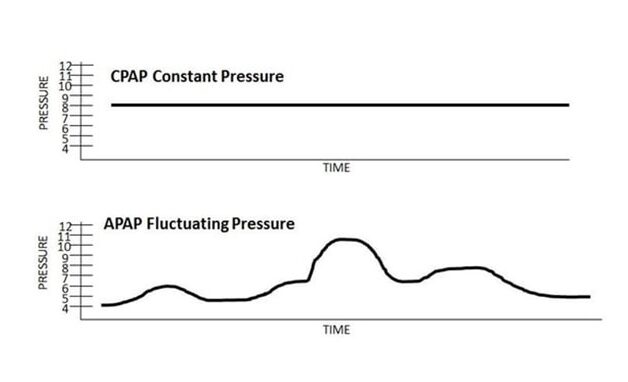
- CPAP Machine: Since CPAP machines deliver a fixed pressure, they require precise calibration. The set pressure is usually determined during a sleep study and is based on the highest pressure needed to prevent apnea events. However, because the pressure is constant, it might sometimes be higher than necessary, which can lead to discomfort, especially during periods of light sleep or when you are awake.
- Auto CPAP Machine: Auto CPAP machines adjust the pressure in real-time based on your current needs. This means the machine can provide lower pressure when your airway is more stable and increase it only when needed. For many users, this results in a more comfortable experience, as the machine is not delivering more pressure than necessary at any given time.
3. Comfort and Adaptability
- CPAP Machine: Some users may find the constant pressure of a CPAP machine uncomfortable, particularly if the required pressure is on the higher side. However, modern CPAP machines often include features like ramp-up (gradually increasing pressure as you fall asleep) to improve comfort. Despite these features, the fixed pressure may not always align with your changing needs during the night.
- Auto CPAP Machine: APAP machines are generally more comfortable for a broader range of users because they adjust the pressure as needed, which can reduce feelings of discomfort or claustrophobia that sometimes occur with a fixed pressure. The adaptability of APAP machines can also be beneficial for users whose pressure needs vary due to factors like body position, sleep stage, or nasal congestion.
4. Effectiveness
- CPAP Machine: CPAP machines are highly effective for treating sleep apnea, particularly for users who require a consistent pressure to prevent airway collapse. However, because they deliver a fixed pressure, their effectiveness can be compromised if the user’s needs change over time or due to other factors such as weight gain or loss.
- Auto CPAP Machine: Auto CPAP machines are often considered more effective for users with varying pressure needs or those who have difficulty tolerating fixed pressure. The machine’s ability to adjust pressure dynamically ensures that it is providing the optimal level of therapy at all times, which can result in better overall effectiveness.
5. Cost Considerations
- CPAP Machine: CPAP machines are generally less expensive than Auto CPAP machines. The simplicity of a fixed-pressure device means fewer components and less advanced technology, which translates to a lower cost. For users with stable pressure needs and no issues with fixed pressure, a CPAP machine can be a cost-effective solution.
- Auto CPAP Machine: Auto CPAP machines are typically more expensive due to their advanced features and ability to adjust pressure automatically. However, for many users, the added comfort and adaptability are worth the additional cost. Additionally, APAP machines can potentially reduce the need for frequent sleep studies, as they automatically adjust to your needs over time.
6. Suitability for Different Users
- CPAP Machine: CPAP machines are suitable for users who have a consistent pressure requirement, do not experience significant variation in their sleep apnea severity, or prefer a more straightforward, less expensive device. They are also ideal for users who have already undergone a successful titration study and are comfortable with the prescribed pressure.
- Auto CPAP Machine: Auto CPAP machines are better suited for users who experience variability in their sleep apnea severity, such as those with positional apnea (where the severity changes depending on sleep position) or those whose pressure needs have not been precisely determined. They are also a good choice for users who prioritize comfort and flexibility in their therapy.
Conclusion
Both CPAP and Auto CPAP machines are effective tools for managing sleep apnea, but they serve slightly different needs.
- CPAP machines provide a steady, consistent pressure, making them a reliable option for users with stable and predictable pressure needs. They are generally less expensive and simpler to use, which can be advantageous for those who do not require advanced features.
- Auto CPAP machines, with their ability to adjust pressure automatically based on real-time data, offer a more personalized and often more comfortable experience. They are especially beneficial for users whose pressure needs vary or who have difficulty tolerating fixed pressure.
When deciding between a CPAP and an Auto CPAP machine, consider your specific needs, your comfort level with different pressures, and your budget. Consulting with a healthcare provider or sleep specialist can also help you make the best choice for your situation, ensuring that your sleep apnea therapy is both effective and comfortable.