
Comparison, Healthcare
AirSense 10 vs. DreamStation 2: A Comprehensive CPAP Comparison

Sep
AirSense 10 vs. DreamStation 2: A Comprehensive CPAP Comparison
When selecting a Continuous Positive Airway Pressure (CPAP) machine, two popular models often come to the forefront: the ResMed AirSense 10 and the Philips DreamStation 2. Both are designed to treat sleep apnea effectively, but they offer different features, benefits, and user experiences. This article will compare these two devices to help you make an informed decision.
Size and Weight Comparison
| Feature | ResMed AirSense 10 | Philips DreamStation 2 |
|---|---|---|
| Dimensions | 11.6 cm x 25.5 cm x 15.0 cm | 25.7 cm x 19.1 cm x 8.5 cm |
| Weight | 1.25 kg | 1.04 kg |
Analysis:
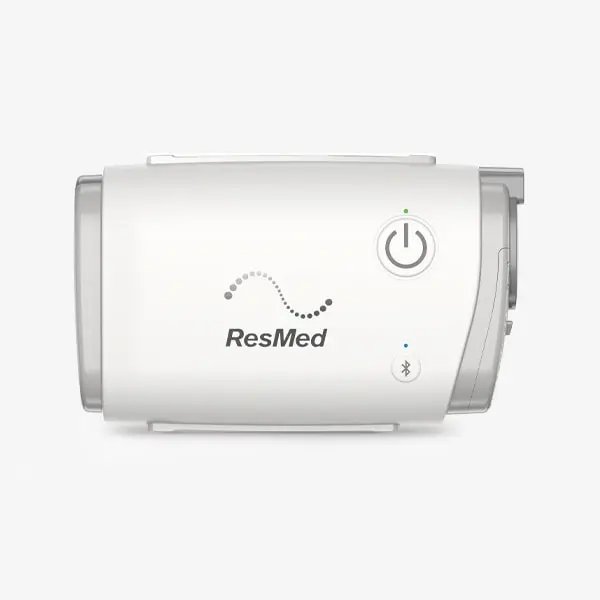
- Dimensions: The AirSense 10 measures 11.6 cm in height, 25.5 cm in width, and 15.0 cm in depth. It’s more compact in depth but taller and slightly wider.
- Weight: The DreamStation 2 is lighter, weighing 1.04 kg compared to the AirSense 10‘s 1.25 kg. This makes the DreamStation 2 slightly more portable, a feature to consider for frequent travelers.
Conclusion:
- The DreamStation 2 is the more portable option due to its lighter weight and slimmer design. However, if you need to save space on your bedside table, the AirSense 10’s compact depth might be more beneficial.
Performance and Features
| Feature | ResMed AirSense 10 | Philips DreamStation 2 |
|---|---|---|
| Pressure Range | 4-20 cm H2O | 4-20 cm H2O |
| Humidification | Built-in with Climate Control | Optional, with adaptive settings |
| Ramp Feature | AutoRamp | SmartRamp |
| Noise Level | Approximately 26.6 dBA | Approximately 27 dBA |
| Connectivity | Built-in wireless (myAir app) | Bluetooth & cellular (DreamMapper) |
| Algorithms | Expiratory Pressure Relief (EPR) | Flex technology |
Conclusion: Both machines offer similar performance features. The AirSense 10 includes a built-in humidifier and intuitive AutoRamp, making it ideal for users who prefer a more integrated solution. The DreamStation 2, on the other hand, offers more customization with its detachable humidifier and SmartRamp feature, which may appeal to those seeking a more tailored experience.
User Experience and Comfort
AirSense 10
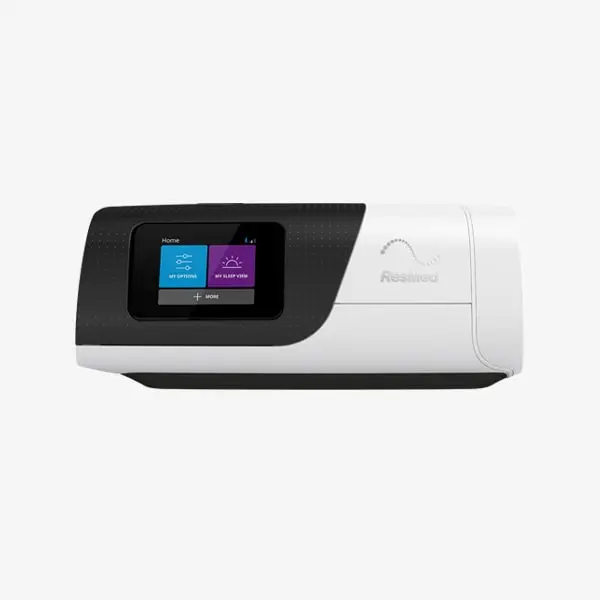
- Interface: The device offers a user-friendly, simple menu system with an easy-to-read LCD screen. The design is intuitive, catering to users who prefer straightforward functionality without the need for a touchscreen.
- Comfort Features: AutoRamp with Expiratory Pressure Relief (EPR) ensures a comfortable breathing experience, especially for new users.
DreamStation 2
- Interface: The DreamStation 2 features a modern, touchscreen interface that allows for more direct interaction. It’s designed for users who are comfortable with technology and prefer a more dynamic control system.
- Comfort Features: The SmartRamp and Flex technology provide a customizable and comfortable experience, adapting to the user’s needs in real time.
Conclusion: The AirSense 10 is ideal for users seeking simplicity and ease of use, especially those who prefer a traditional interface. The DreamStation 2 is better suited for tech-savvy users who appreciate a modern interface and a highly customizable experience.
Final Verdict
Choosing between the ResMed AirSense 10 and the Philips DreamStation 2 largely depends on your personal preferences and lifestyle needs:
- AirSense 10: Best for those who value a built-in humidifier, ease of use, and a slightly more compact design.
- DreamStation 2: Ideal for users who prioritize portability, modern design, and a customizable user experience.
Both machines are top-tier CPAP devices that effectively manage sleep apnea, so either choice will serve you well depending on your specific needs.