
Informational
Is Your CPAP Mask Leaking Air? Here’s Why That’s (Usually) Normal
Jun
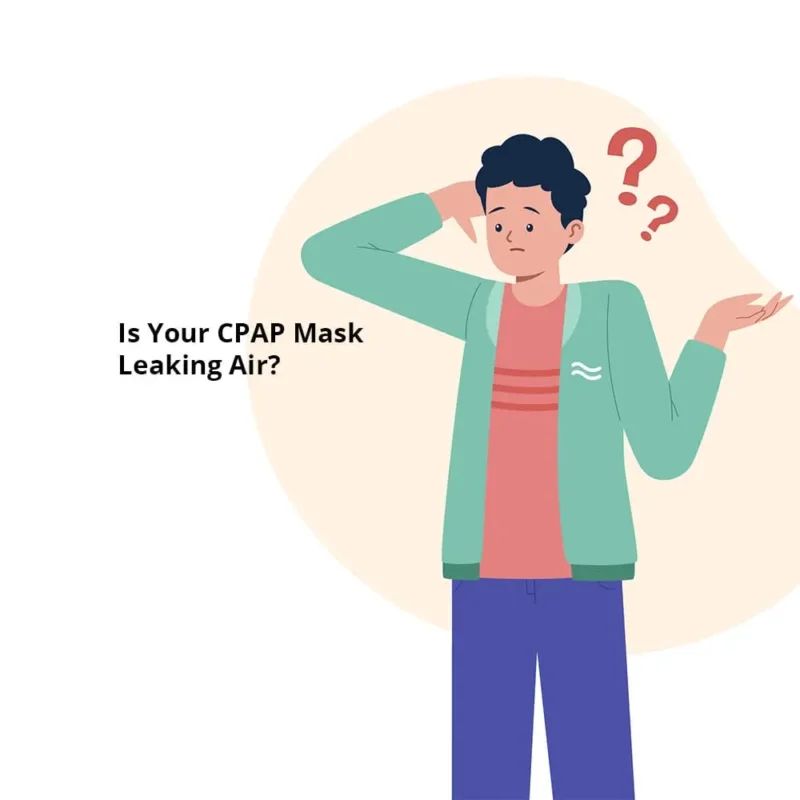
One of the most common concerns for CPAP users — especially those new to therapy — is the feeling of air escaping from their mask. It’s natural to wonder, “Is my mask leaking? Is something wrong?” In most cases, there’s no need to worry. What you’re noticing is likely a built-in feature, not a flaw.
This feature is known as the exhalation valve, and it plays a vital role in the safety and effectiveness of your CPAP therapy. Let’s break down what this valve does, why the airflow is intentional, and how to tell the difference between proper venting and an actual leak.
What Does the Exhalation Valve Do?
Every CPAP mask includes an exhalation port or valve. Its main purpose is to allow exhaled carbon dioxide to exit the mask with each breath. Since CPAP therapy involves a continuous stream of pressurized air, without an outlet, you’d end up rebreathing the air you just exhaled — which would be unhealthy and unsafe.
This is why manufacturers design masks to constantly vent a small amount of air, even when your seal is perfect.
Why Do You Feel Air Escaping from the Mask?
That flow of air you feel — often described as a “leak” — is actually part of the design. It’s called intentional leak or vent flow, and it ensures:
- Fresh air is always delivered into the mask
- Carbon dioxide doesn’t accumulate
- You stay safe even if the machine stops suddenly (with certain full face masks)
This air typically exits through small holes or a mesh vent built into the mask frame or elbow. It’s not a sign of malfunction.
Different Mask Types, Different Valve Designs
Here’s how different CPAP masks manage exhaled air:
- Nasal and Pillow Masks
Have vent holes near the cushion or elbow that gently release air outward, often quietly and with little force. - Full Face Masks
Typically include anti-asphyxia valves that automatically open if the machine shuts off, allowing you to breathe room air. - Compact & Minimalist Masks
Models like the ResMed AirFit F40 use innovative vent placement to direct air away from your face and bed partner, while maintaining quiet operation.
Despite design differences, all modern masks are built to maintain airflow safety while minimizing noise and draft.
Is It a True Leak or Just the Vent Working?
While normal venting is expected, excessive leaking can still happen. Here’s how to spot the difference:
| Normal Venting | Unintentional Leak |
|---|---|
| Air exits from specific holes | Air escapes from the sides or under the cushion |
| Silent or soft airflow | Loud hissing, whistling, or blowing into eyes |
| Doesn’t change with head movement | Changes with sleep position or mask shift |
If you’re seeing high leak readings on your CPAP machine or waking up with a dry mouth, it’s worth checking your mask fit or replacing worn parts.
Helpful Tips to Minimize Disturbance from Venting
- Angle the vent: Point it away from your pillow or sleeping partner.
- Replace cushions regularly: Over time, cushions lose their ability to maintain a seal.
- Use a heated tube or humidifier: This helps reduce dryness caused by airflow.
- Track your data: Most CPAP devices track leak rates — useful for identifying when a real issue occurs.
Conclusion: Air Leaks Are Often a Sign of Proper Function
Feeling a bit of air coming out of your CPAP mask is not only normal — it’s necessary. The exhalation valve is a critical component that ensures safe and comfortable therapy by releasing exhaled air and maintaining fresh airflow.
Understanding how this valve works helps demystify your therapy experience and prevents unnecessary worry. If you suspect your mask is leaking more than it should, or if you’re unsure about the fit, contact your provider for guidance or explore a different mask style that better suits your needs.