Healthcare, Informational
Understanding CPAP Mask Types and Proper Usage for Effective Sleep Apnea Treatment

Feb
What Is CPAP and Which Mask Type to Choose
Continuous Positive Airway Pressure (CPAP) therapy is a widely recognized and highly effective treatment for sleep apnea, a prevalent sleep disorder marked by repeated interruptions in breathing during sleep. These interruptions, known as apneas, can severely impact sleep quality and overall health. CPAP machines address this issue by delivering a continuous stream of pressurized air through the airway, keeping it open and preventing these breathing pauses.
A critical element of CPAP therapy is the mask, which is the interface between the machine and the patient. The mask’s fit, comfort, and effectiveness are crucial for the success of the treatment. The right mask not only ensures that the air pressure is delivered effectively but also enhances the user’s comfort, promoting consistent use of the therapy. In this article, we will delve into the different types of CPAP masks available, discussing their unique features, benefits, and how to use them properly to maximize the effectiveness of CPAP therapy.
Types of CPAP Masks:
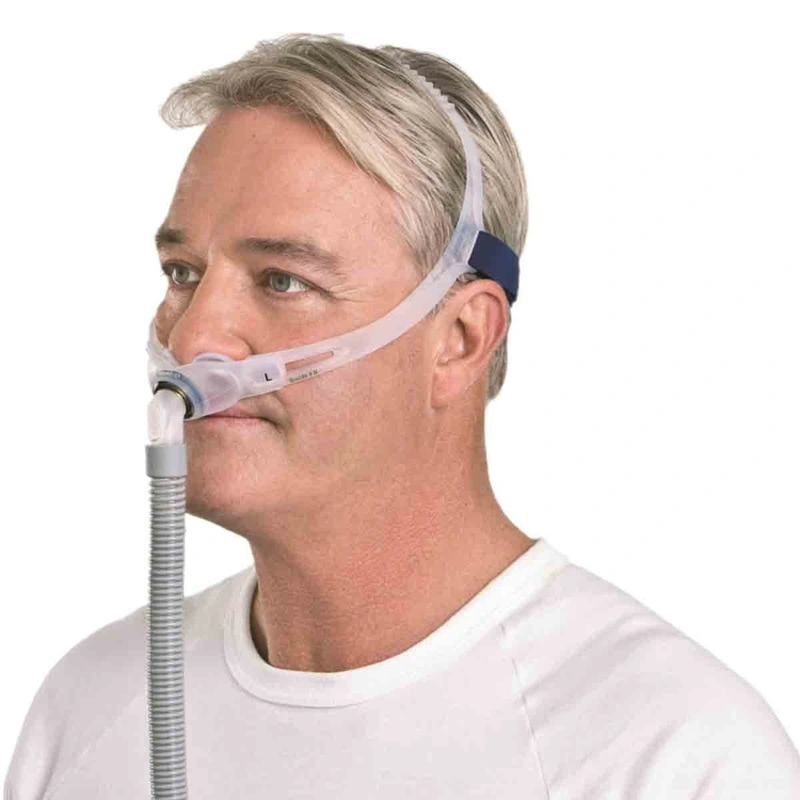
Nasal Pillow CPAP Masks
- Feature small pillows that seal around the nostrils.
- Ideal for individuals who prefer a minimalist design.
- Can be a good option for those who wear glasses or enjoy reading or watching TV before sleep

Nasal CPAP Masks
- These masks cover only the nose and are secured with straps around the head.
- Ideal for individuals who breathe through their noses.
- Suitable for those who feel claustrophobic with a full-face mask.
Hybrid CPAP Masks
- Combine features of both nasal and full-face masks.
- Provide the option of breathing through the nose or mouth.
- Suitable for individuals who may switch between breathing patterns during sleep.

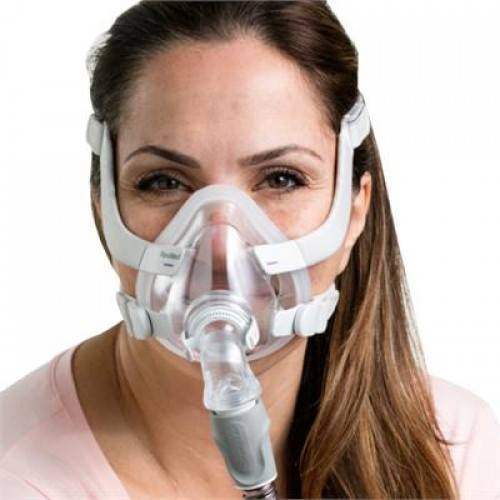
Full Face CPAP Masks
- Cover both the nose and mouth, providing a broader range of air pressure.
- Suitable for individuals who breathe through both the nose and mouth during sleep.
- Helpful for those who experience nasal congestion or allergies.
Proper CPAP mask Usage Tips:
Correct Fit:
- Ensure the mask is properly sized to create a secure seal without causing discomfort.
- Adjust the straps according to the recommended tightness to prevent air leaks.
Regular Cleaning:
- Clean the mask daily using mild soap and water to prevent the buildup of oils, dirt, and bacteria.
- Follow the manufacturer’s guidelines for maintenance to prolong the lifespan of the mask.
Replace Parts as Needed:
- Replace mask cushions, headgear, and other components as recommended by the manufacturer.
- Regularly check for signs of wear and tear to maintain optimal performance.
Comfort and Compliance:
- Experiment with different mask types to find the one that offers the most comfort and encourages consistent use.
- Adjust the straps and fit as needed to avoid pressure sores and discomfort.
Summary
Choosing the right CPAP mask and using it correctly are critical components of successful sleep apnea treatment. The effectiveness of CPAP therapy largely depends on finding a mask that fits well, feels comfortable, and meets the specific needs of the individual. Since everyone’s facial structure, breathing patterns, and comfort levels are different, it’s essential to work closely with a healthcare provider or a sleep specialist to determine the most suitable mask type.
This process may involve trying out different masks—such as nasal, full-face, or nasal pillow masks—and making necessary adjustments to ensure a secure fit without causing discomfort or air leaks. It’s also important to regularly assess and refine the mask setup, as changes in facial structure, weight, or sleeping habits over time can affect how the mask fits and functions.
Additionally, proper usage guidelines, including regular cleaning and maintenance of the mask and machine, are vital for both the comfort and hygiene of the user. Understanding these aspects and staying informed about advancements in CPAP technology can significantly enhance the therapy’s effectiveness.
By ensuring a proper fit and adhering to best practices, individuals can improve not only the quality of their sleep but also their overall health and well-being, reducing the risks associated with untreated sleep apnea such as heart disease, stroke, and daytime fatigue.